
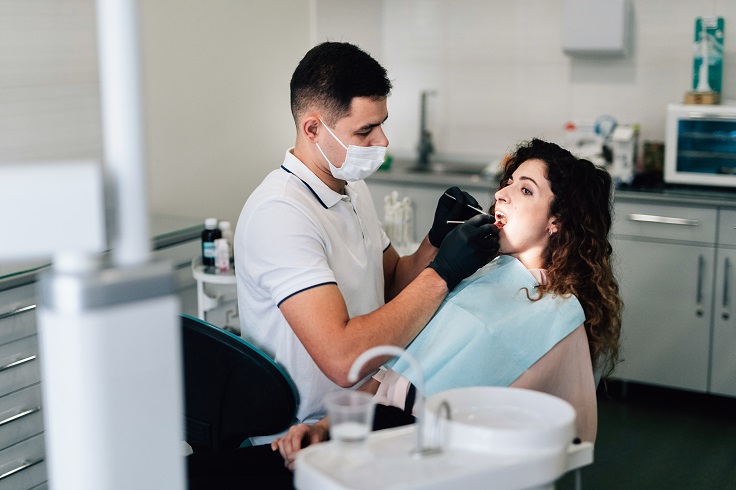
Restorative dentistry is a cornerstone of modern dental care, focusing on repairing and restoring the function, integrity, and aesthetics of damaged or missing teeth. As part of comprehensive oral healthcare, restorative techniques in general dentistry have evolved significantly with advancements in materials, technologies, and clinical protocols. These innovations enable dentists to deliver durable, natural-looking, and patient-centered outcomes.
Understanding Restorative Dentistry in General Practice
Restorative dentistry encompasses a wide range of procedures aimed at treating dental caries, fractures, wear, and tooth loss. Within General Dentistry Services, these treatments are essential for maintaining oral health, preventing further complications, and improving overall quality of life.
Common restorative procedures include fillings, crowns, bridges, dentures, and dental implants. Each treatment is carefully selected based on the patient’s clinical condition, functional needs, and aesthetic expectations.
Key Restorative Materials in General Dentistry
The success of restorative procedures largely depends on the selection of appropriate materials. Modern dentistry offers a variety of advanced materials designed to provide strength, durability, and natural appearance.
1. Composite Resins
Composite resins are widely used for direct restorations such as fillings and bonding. These tooth-colored materials offer excellent aesthetics and are ideal for repairing small to moderate cavities. Advances in composite technology have improved their strength, wear resistance, and polishability.
2. Dental Amalgam
Although its use has declined due to aesthetic concerns, dental amalgam remains a durable and cost-effective option for posterior restorations. It is particularly suitable for areas subjected to high chewing forces.
3. Ceramic and Porcelain
Ceramic and porcelain materials are commonly used for crowns, veneers, and bridges. They provide superior aesthetics due to their translucency and ability to mimic natural enamel. Additionally, these materials are biocompatible and resistant to staining.
4. Glass Ionomer Cement
Glass ionomer materials release fluoride, making them beneficial for preventing recurrent decay. They are often used in non-load-bearing areas and pediatric dentistry.
5. Metal Alloys
Metal-based restorations, including gold and base metal alloys, offer exceptional strength and longevity. While less common in aesthetic dentistry, they are still valued for their durability in specific clinical situations.
Advanced Restorative Techniques
Modern general dentistry integrates innovative techniques to enhance the effectiveness and longevity of restorative treatments.
Adhesive Dentistry
Adhesive techniques allow restorations to bond directly to tooth structures, improving retention and minimizing the need for extensive tooth preparation. This approach supports minimally invasive dentistry and preserves natural tooth structure.
CAD/CAM Technology
Computer-Aided Design and Computer-Aided Manufacturing (CAD/CAM) systems enable the creation of precise restorations in a single visit. This technology enhances accuracy, reduces treatment time, and improves patient convenience.
Digital Impressions
Digital scanning replaces traditional impression methods, providing highly accurate models for restorative procedures. It improves patient comfort and ensures better-fitting restorations.
Minimally Invasive Techniques
Preserving natural tooth structure is a key principle in modern dentistry. Techniques such as selective caries removal and conservative cavity preparation help maintain tooth integrity while effectively treating decay.
Clinical Outcomes and Performance
The effectiveness of restorative techniques is measured by their clinical outcomes, including durability, functionality, and patient satisfaction.
Longevity of Restorations
Modern materials and techniques have significantly improved the lifespan of dental restorations. Composite fillings, for example, can last several years with proper care, while crowns and bridges may last decades.
Aesthetic Results
Advancements in materials allow restorations to closely match the color, texture, and translucency of natural teeth. This ensures seamless integration with the patient’s smile.
Functional Improvement
Restorative procedures restore chewing efficiency, speech, and overall oral function. Properly designed restorations also help maintain occlusal balance and prevent further dental issues.
Patient Comfort and Satisfaction
Minimally invasive techniques and digital technologies enhance patient comfort and reduce treatment time. This leads to higher satisfaction and better overall experiences.
Role of Preventive Care in Restorative Dentistry
Preventive care plays a crucial role in the success of restorative treatments. Regular dental checkups, proper oral hygiene, and early intervention help extend the life of restorations and prevent new dental problems.
In General Family Dentistry, the focus is not only on treating existing issues but also on educating patients about maintaining oral health. Preventive strategies such as fluoride treatments, sealants, and routine cleanings are essential components of comprehensive care.
Challenges in Restorative Dentistry
Despite significant advancements, restorative dentistry presents certain challenges that require careful consideration.
Material Selection
Choosing the right material depends on multiple factors, including location of the restoration, patient preferences, and budget constraints.
Technique Sensitivity
Some restorative procedures, particularly adhesive techniques, require precise execution to ensure optimal results.
Wear and Tear
Over time, restorations may experience wear, fracture, or discoloration, necessitating repair or replacement.
Patient Compliance
The longevity of restorations depends on patient adherence to oral hygiene practices and regular dental visits.
Future Trends in Restorative Dentistry
The future of restorative dentistry is shaped by ongoing research and technological innovation. Emerging trends include:
- Biomimetic Materials: Materials designed to replicate the natural properties of teeth.
- Regenerative Dentistry: Techniques aimed at regenerating damaged tissues.
- Artificial Intelligence: AI-driven tools for diagnosis and treatment planning.
- 3D Printing: Rapid fabrication of dental restorations with high precision.
These advancements are expected to further improve clinical outcomes and redefine restorative dental care.
Conclusion
Restorative techniques in general dentistry have advanced significantly, offering patients durable, aesthetic, and functional solutions for a wide range of dental issues. From innovative materials to cutting-edge technologies, modern dentistry continues to enhance the quality and efficiency of care. By combining expertise with preventive strategies, dentists can achieve long-lasting and successful outcomes.
If you are looking for expert dental care, White Diamond Dental is a trusted choice. Known for excellence as a leading Dentist In Colorado Springs, their team provides comprehensive restorative solutions tailored to your needs, ensuring a healthy and confident smile.